Hidden Gems: Traditional Art Thriving in India’s Small Towns and Villages
India’s artistic soul does not live only in museums, galleries, or modern studios—it breathes in the lanes of small towns, the courtyards of rural homes, and the hands of artisans who have inherited centuries-old skills. While cities may dominate conversations around contemporary art, it is the villages that preserve the purity, symbolism, and cultural memory of India’s artistic heritage.
These art forms are not just creative expressions; they are living traditions carried through generations, connecting past to present most organically.
Today, with growing appreciation for handcrafted work and renewed interest in sustainable living, these traditional arts are experiencing a powerful resurgence, says Shantala Palat, a leading contemporary artist and painter in India.

Why Is Traditional Indian Art Still So Popular Today?
Traditional Indian art remains popular because it is deeply tied to identity, culture, and storytelling. Beyond emotional value, it offers authenticity at a time when machine-made products dominate the market. People increasingly seek work that feels personal, handmade, and rooted in heritage.
These arts capture a sense of belonging—whether through the earthy lines of Warli paintings, the divine motifs of Madhubani, or the bold, detailed strokes of Pattachitra. Rooted in mythology, nature, festivals, and everyday rural life, each art form carries its own regional flavour and story. In a world of mass production, such authenticity feels rare and meaningful.
Another reason for its popularity is the way rural artisans continue to adapt. Many blend old techniques with modern themes, making their work appealing to younger audiences and global collectors who appreciate art that balances tradition with contemporary aesthetics.

Madhubani Art (Bihar): A Legacy of Symbolism and Storytelling
In the villages of Bihar, Madhubani art stands as a powerful symbol of feminine creativity. Traditionally practiced by women, the art uses natural colours derived from leaves, flowers, and rice paste, applied with twigs or even fingers. Known for its bold outlines and intricate patterns, Madhubani continues to thrive as both a cultural expression and a sought-after decorative art across the world.
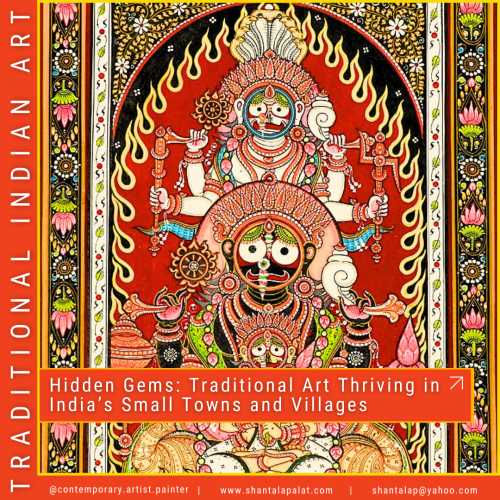
Pattachitra (Odisha): The Ancient Scroll Painting Tradition
Odisha’s villages continue to nurture the centuries-old Pattachitra tradition. These intricate storytelling scrolls depict tales of gods, folklore, and festivals, painted with natural pigments on cloth. Every stroke reflects devotion and discipline, making Pattachitra one of the most detailed and revered art forms in India.

Warli Art (Maharashtra & Gujarat): Tribal Narratives in Minimal Lines
In the tribal regions of Maharashtra and Gujarat, Warli art portrays life stories through simple yet striking stick figures. Despite its minimal style, Warli captures complex themes of farming, festivals, dances, and daily life. Today, this art form has expanded from mud walls to clothing, canvas, décor items, and even global exhibitions.

How Small Towns and Villages Keep These Traditions Alive?
Small towns and villages safeguard India’s artistic heritage by treating these crafts as part of everyday life—not merely as commercial products. Art forms are passed down through family lines and integrated into rituals, homes, and cultural celebrations. From natural dye preparation to hand-made tools, every step connects artisans to their land and lineage.
Digital Platforms Bringing Rural Art to Global Audiences
The digital age has unexpectedly strengthened traditional art. Social media, e-commerce platforms, and artisan marketplaces have given rural artists global visibility. What once lived only in local fairs now reaches buyers across continents. This new exposure has improved livelihoods and encouraged younger generations to continue their craft.
Preserving India’s Cultural Treasures
As India continues to modernise, protecting these traditional art forms becomes even more essential. Supporting rural artisans sustains their heritage and ensures that India’s artistic legacy remains vibrant. These hidden gems—thriving quietly in small towns and villages—prove that true art does not need grand stages; it flourishes wherever passion, heritage, and skilled hands come together.


Comments