The Spiritual Roots of Art in India: Insight by Shantala Palat
Summary
Indian art emerged from spiritual traditions and has historically served as a medium for devotion, philosophy, and cultural expression.
Symbols, temples, music, dance, and visual arts have all played important roles in conveying deeper spiritual meanings.
Indian artists continue to draw from these spiritual foundations, keeping the connection between creativity and inner exploration alive.
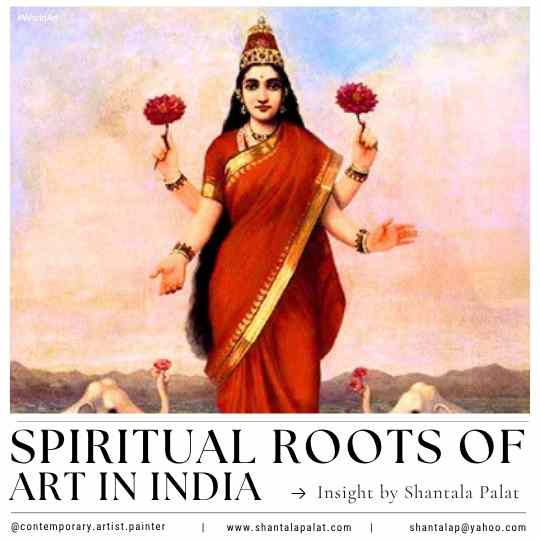
Art in India has never been merely decorative. From ancient cave paintings and temple sculptures to classical dance, music, and contemporary interpretations, Indian art has long been intertwined with spirituality. For centuries, artistic expression has served as a bridge between the physical and the divine, reflecting humanity's quest for meaning, harmony, and transcendence. The spiritual roots of Indian art continue to influence its forms, symbols, and philosophies, making it one of the world's most profound artistic traditions shares Shantala Palat, a contemporary artist and painter in India.
How Did Spirituality Shape the Origins of Indian Art?
The earliest forms of Indian art were deeply connected to ritual, worship, and the understanding of the cosmos. Ancient artists viewed creativity as a sacred act rather than a purely aesthetic pursuit. Temples, shrines, manuscripts, and sculptures were created not simply to be admired but to facilitate spiritual experience. Art became a medium through which philosophical ideas, religious teachings, and cultural values were preserved and shared across generations.

Shantala Palat says, that "In India, art has never been separate from the sacred; it is a timeless dialogue between human creativity and spiritual consciousness."
Why Are Symbols So Important in Indian Art?
Indian art is rich with symbolic meaning. Every form, gesture, colour, and motif often carries a deeper spiritual significance. The lotus symbolises purity and enlightenment, while the circle represents eternity and the cyclical nature of existence. Sacred geometries, mandalas, and divine iconography are designed to guide the viewer beyond the visible world and toward contemplation. These symbols transform art into a language that communicates spiritual truths beyond words.
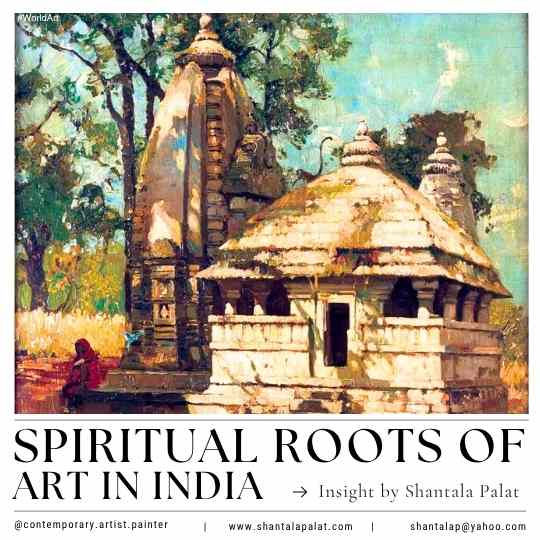
How Did Temples Become Centres of Artistic Expression?
Throughout Indian history, temples served as major centres for artistic innovation. Sculptors, painters, architects, musicians, and dancers contributed to creating immersive spiritual environments. Intricate carvings depicted stories from sacred texts, while architectural designs reflected cosmic principles and philosophical concepts. The temple was not only a place of worship but also a living gallery where art and spirituality existed in complete harmony.

What Role Does Divine Inspiration Play in Indian Creativity?
Many traditional Indian artists believed that artistic talent was a gift from the divine. Creativity was often viewed as a form of devotion, with the artist acting as a channel for higher wisdom. This perspective encouraged humility and dedication to the craft. The goal was not merely personal recognition but the creation of works that could inspire reflection, devotion, and inner transformation in others.

How Are Dance and Music Connected to Spiritual Traditions?
In India, performing arts have long been regarded as spiritual disciplines. Classical dance forms and musical traditions often originate from sacred narratives and devotional practices. Through movement, rhythm, and melody, artists express emotions that connect audiences to deeper states of awareness. These art forms continue to serve as powerful vehicles for storytelling, meditation, and spiritual expression.
Does Spiritual Influence Continue in Contemporary Indian Art?
Modern Indian artists frequently draw inspiration from ancient spiritual traditions while exploring contemporary themes and techniques. Whether through abstract forms, reinterpretations of mythology, or explorations of identity and consciousness, many artists continue to engage with questions of existence, purpose, and transcendence. This enduring connection demonstrates that spirituality remains a vital source of creative inspiration in Indian art.
The spiritual roots of Indian art extend far beyond religion alone. They reflect a worldview in which creativity, beauty, philosophy, and devotion are deeply interconnected. Across centuries, Indian artists have used their work to explore profound truths about life, the universe, and the human spirit. This unique fusion of art and spirituality continues to inspire audiences around the world, making Indian artistic traditions both timeless and deeply relevant.


Comments