A Guide to Kangra Paintings: The Miniature Art of Himachal
Summary
Kangra paintings are a refined form of Indian miniature art known for their soft colours, natural beauty, and emotional storytelling, especially centred on love and devotion.
Originating in Himachal Pradesh under royal patronage, the style evolved from bold earlier forms into a more delicate, nature-inspired and expressive artistic tradition.
Even today, Kangra art remains culturally significant, with ongoing efforts to preserve and modernise it while retaining its timeless aesthetic appeal.
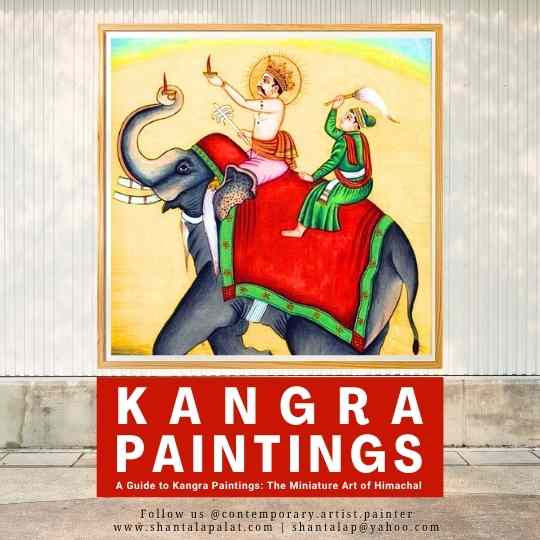
Kangra paintings stand as one of the most delicate and expressive forms of Indian miniature art, flourishing in the lush valleys of Himachal Pradesh. Emerging in the 18th century under royal patronage, this art style is celebrated for its lyrical beauty, intricate detailing, and deep emotional resonance. Unlike other rigid and bold miniature styles, Kangra paintings are known for their softness, naturalism, and romantic themes, often inspired by poetry, mythology, and the rhythms of nature.

The graceful lines, vibrant yet soothing colours, and poetic storytelling make Kangra art a timeless representation of India’s artistic heritage, shares Shantala Palat, who is a contemporary artist and painter in India.
What Makes Kangra Paintings So Unique and Timeless?
Kangra paintings distinguish themselves through their refined aesthetic and emotional depth. Rooted in devotion and romance, these artworks often depict scenes from Indian epics and love stories, especially those of Radha and Krishna. However, their uniqueness lies not just in the subject but in how the subject is portrayed—with sensitivity, fluidity, and harmony.
Shantala Palat says, “Kangra paintings are not merely art on paper, but a gentle poetry of colors where love, nature, and devotion flow together in timeless harmony.”
The Origins and Evolution of Kangra Art
Kangra painting evolved from the earlier Basohli style, which was more bold and intense in its color palette and expressions. With the decline of the Mughal Empire, many artists sought refuge in the hills of Himachal, particularly in the Kangra region. Under the patronage of rulers like Maharaja Sansar Chand, this art form flourished and transformed into a softer, more naturalistic style. The artists began focusing more on delicate brushwork, subtle shading, and lifelike depictions of landscapes and human emotions.
Themes That Define Kangra Paintings
The essence of Kangra paintings lies in their thematic richness. Most artworks revolve around love, devotion, and nature. Stories from the Bhagavata Purana, Gita Govinda, and other classical texts are frequently illustrated. The eternal love of Radha and Krishna is a recurring subject, portrayed with deep emotional intensity and grace. Apart from mythology, artists also captured the beauty of seasons, gardens, rivers, and the everyday life of people, blending human emotion with nature seamlessly.
Artistic Techniques and Characteristics
Kangra paintings are renowned for their fine lines and meticulous attention to detail. Artists used natural dyes made from minerals and vegetables, giving the paintings their distinctive soft yet vibrant hues. The use of perspective, shading, and delicate brush strokes created a sense of depth and realism rarely seen in earlier miniature styles. Facial expressions, especially the eyes, are carefully crafted to convey emotions, making the characters appear alive and expressive. The landscapes are lush and detailed, often featuring rolling hills, blooming flowers, and flowing rivers that enhance the narrative.

The Cultural and Artistic Significance
Kangra paintings are more than just visual art; they are a reflection of cultural and spiritual values. They capture the essence of Indian aesthetics, where art is deeply intertwined with literature, music, and devotion. These paintings served as a medium to narrate stories, preserve traditions, and express philosophical ideas. Even today, they continue to inspire artists and art lovers across the world, representing a harmonious blend of emotion, nature, and storytelling.
The Legacy and Modern Relevance
Despite the passage of time, Kangra paintings have retained their charm and relevance. Efforts are being made to preserve and promote this traditional art form through workshops, museums, and exhibitions. Contemporary artists are also experimenting with Kangra techniques, blending tradition with modern themes. This ensures that the art form not only survives but evolves with changing times while maintaining its core identity.

Kangra paintings, with their poetic elegance and intricate craftsmanship, remain a testament to India’s rich artistic heritage. They invite viewers into a world where art is not just seen but felt—where every brushstroke tells a story, and every color evokes an emotion.


Comments